

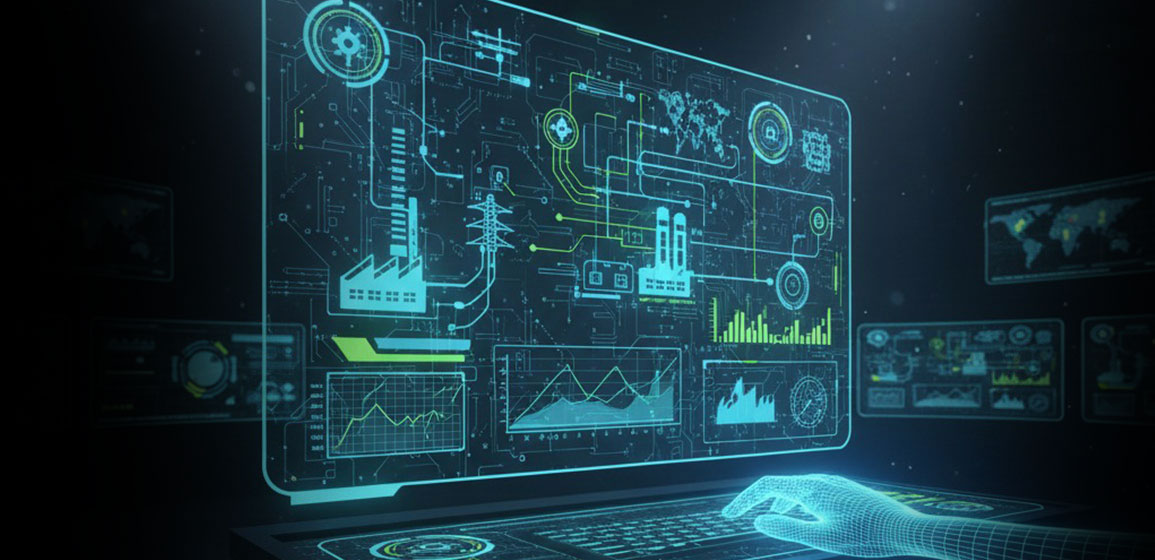
What is SCADA Programming?
SCADA (Supervisory Control and Data Acquisition) is a system used to monitor, control, and analyze industrial operations remotely.
It collects real-time data from field devices (such as sensors and PLCs), processes and displays that data on a central computer or HMI, and allows operators to control the process using commands from the control center.
In simple terms, SCADA acts as the “supervisor” of the entire automation system keeping an eye on every component and making sure everything operates smoothly and safely.
Where SCADA Is Used
SCADA systems are used wherever processes need continuous monitoring, remote control, and automatic data collection. These systems are designed for industries and infrastructures that run 24/7 and require accuracy, reliability, and safety. Below are some key sectors and how SCADA functions in each:
1. Power Generation and Distribution:
In the power sector, SCADA plays a vital role in monitoring and controlling electrical grids, substations, and transformers. It collects data such as voltage, current, frequency, and load from remote substations through RTUs or PLCs. Operators in a control room can monitor the health of every transformer or circuit breaker and can isolate faulty lines instantly during a power fault.

2. Water and Wastewater Treatment Plants:
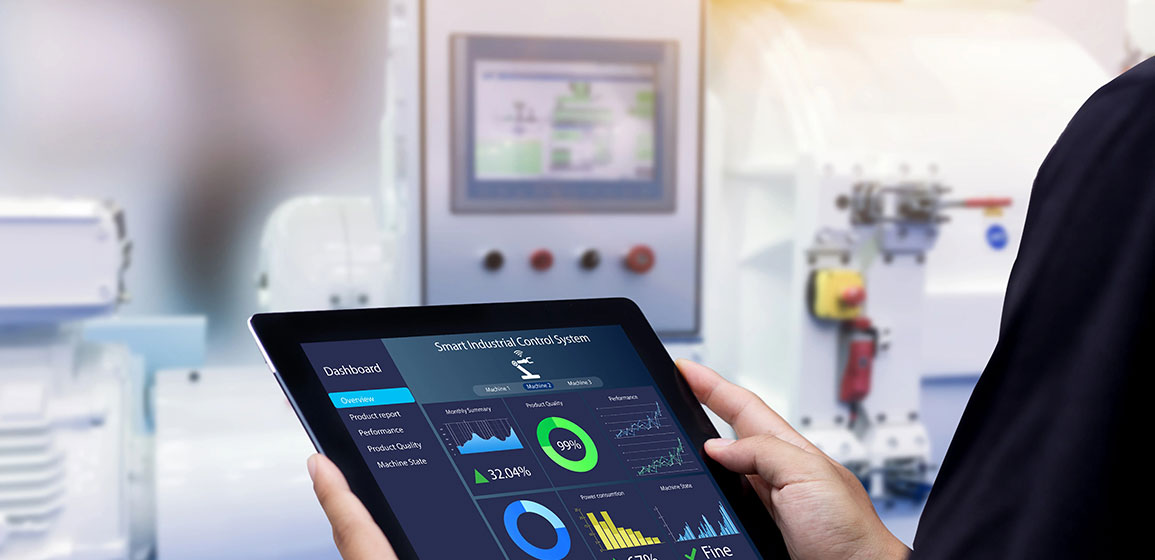
In water management systems, SCADA ensures that clean water is supplied efficiently and wastewater is treated properly. Sensors measure tank levels, flow rates, and chemical concentrations while actuators control valves and pumps.
3. Oil and Gas Industry:
The oil and gas sector spans thousands of kilometers of pipelines and remote drilling sites. SCADA provides real-time visibility and control over this massive network.
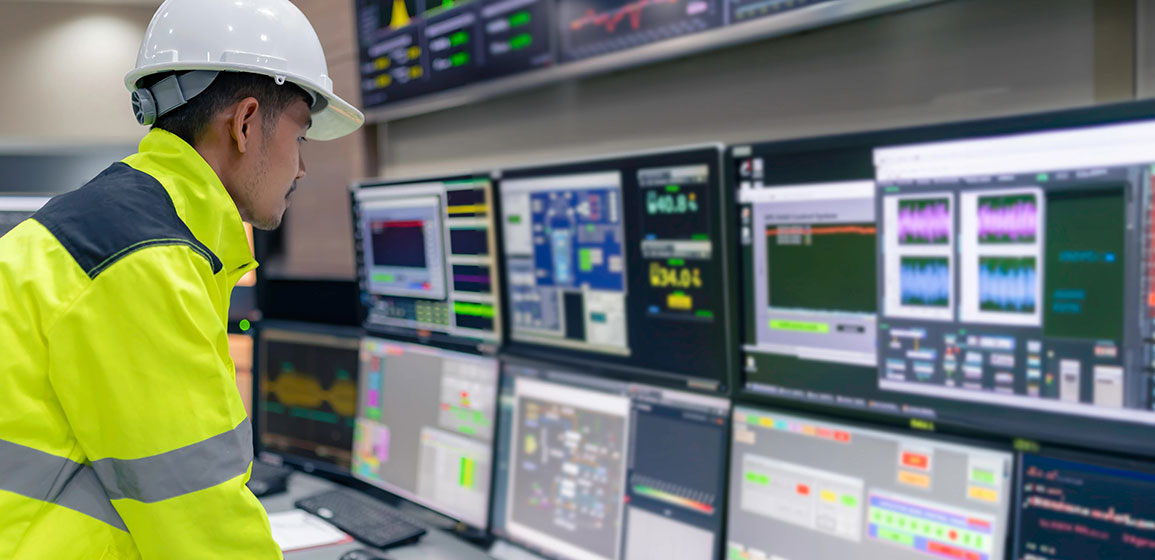
4. Manufacturing and Production Lines:
In factories, SCADA is integrated with PLCs and HMIs to monitor production speed, machine status, and quality parameters.
Main Components of a SCADA System
A complete SCADA architecture consists of four major components that work together to perform monitoring and control functions:
Field Devices (Sensors & Actuators)
These are the physical devices installed in the field that measure parameters such as temperature, flow, pressure, and voltage.
Communication Network
This forms the backbone of SCADA. It connects the remote field devices to the control center using wired (Ethernet, fiber optics) or wireless (radio, satellite, cellular) communication
Central Monitoring Station (HMI/SCADA Software)
This is the human-interface part of the system, usually located in a control room. Operators use large screens or computers to visualize live data, monitor alarms, view historical trends, and issue commands to control field devices.
SCADA Programming
Siemens WinCC / WinCC OA
Uses VBScript, C, ANSI C for automation logic, tag manipulation, and dynamic display control.
Wonderware (AVEVA System Platform)
Uses VBScript, ArchestrA Script for event handling, alarm management, and process control.
Ignition SCADA
Uses Python (Jython) for flexible scripting, database access, and API integration.
GE iFIX / Cimplicity
Uses VBScript, C for object-based scripting and custom functionality.
Schneider EcoStruxure / Vijeo Citect
Uses Cicode (C-like language) for advanced automation and logic scripti
InduSoft Web Studio / Studio 2020
Uses VBScript, Built-in Expressions for display logic and process automation