

What is PLC Programming?
A Programmable Logic Controller (PLC) is a specialized industrial digital computer designed to automate and control machines, processes, or production lines in real-time. It is often referred to as the “brain of industrial automation” because it executes control logic, manages inputs and outputs, and ensures reliable operation in harsh industrial environments.
PLCs are widely used in industries like manufacturing, oil and gas, water treatment, chemical plants, power plants, automotive assembly, and even smart home systems. Unlike a general-purpose computer, a PLC is designed to operate continuously, handle electrical noise, vibrations, and extreme temperatures, making it ideal for industrial environments.
How PLCs Are Used
1. Machine Automation:
PLCs control individual machines such as lathes, milling machines, and packaging systems. They manage operations like speed control, sequence of actions, safety interlocks, and alarms.
2. Process Automation:

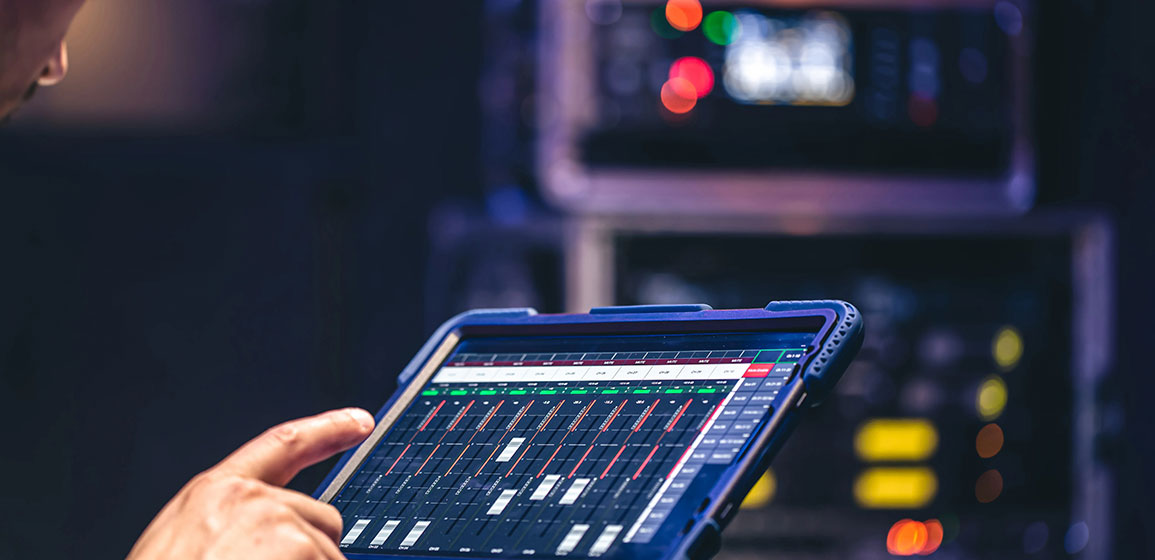
In industries like chemical, oil & gas, or water treatment, PLCs maintain continuous processes.They regulate temperature, flow rate, pressure, and chemical dosing automatically.
3. Sequential Control Systems:
In production lines, PLCs control step-by-step operations for example, in an automobile assembly line, each car passes through stages such as welding, painting, and inspection, all controlled by PLCs.
4. Integrated Systems:

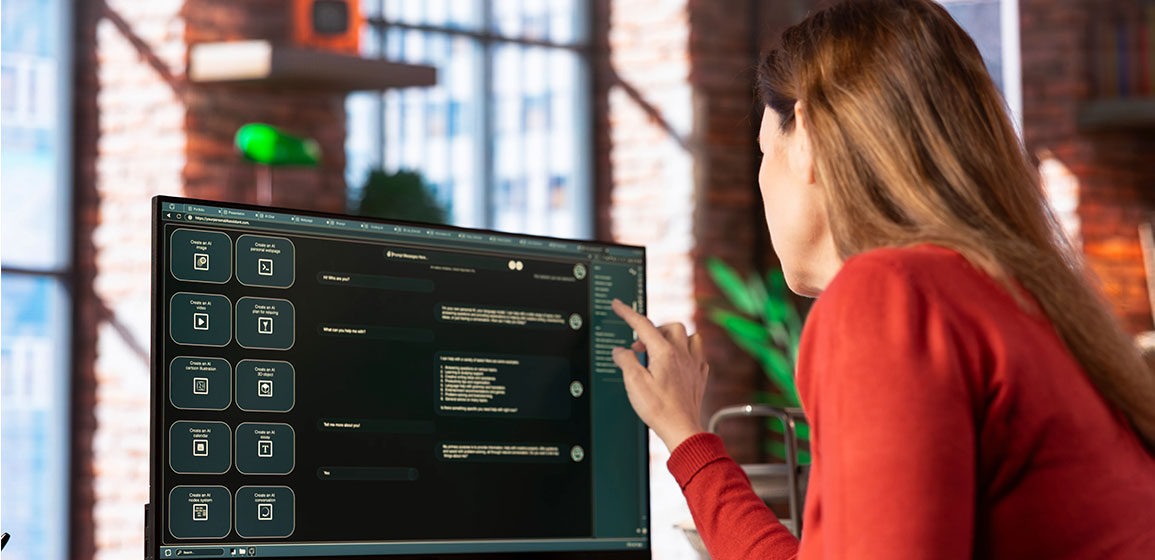
PLCs often work together with SCADA or HMI systems for real-time monitoring and remote control.Operators can see live data, alarms, and graphs on a display screen while PLCs handle the physical control.
Major Components of PLC
Central Processing Unit (CPU)
The CPU is the brain of the PLC, responsible for executing instructions and managing the overall operation of the system.
Memory
Memory stores the control program (written by engineers), input/output data, and operational parameters.
Power Supply
The power supply provides the necessary electrical power for the PLC and its components.
Input Modules
Input modules are the eyes and ears of the PLC. They receive signals from sensors or switches and convert them into a form understandable by the CPU.
Output Modules
Output modules are the hands and legs of the PLC. They send electrical signals to devices such as motors, solenoids, relays, and valves to perform physical actions.
Programming
This is used to write and load the logic program into the PLC. It can be a computer or a handheld device. The program is usually written in Ladder Logic, which resembles electrical circuit diagrams and is easy for engineers to understand.
PLC Programming
Typical PLC Programming Languages
Ladder Logic (LD)
Looks like electrical relay diagrams. Very common and easy to learn.
Function Block Diagram (FBD)
Uses blocks that represent functions like timers and counters.
Structured Text (ST)
High-level language similar to Pascal/C, ideal for complex math operations.
Sequential Function Chart (SFC)
Designed for step-by-step sequences and process flows.
Instruction List (IL)
Low-level language similar to assembly (less common in modern systems).