

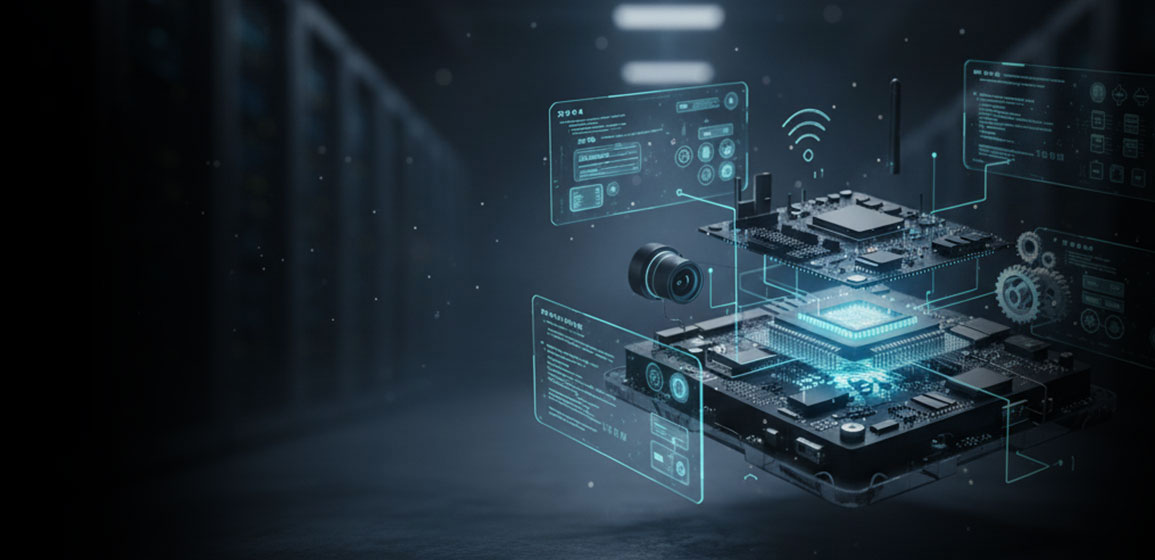
Introduction to Embedded Systems
An embedded system is a special type of computer system designed to perform a specific task or function within a larger device. It combines both hardware and software to control and manage how a device operates.
These systems are found in everyday machines like washing machines, cars, mobile phones, traffic lights, and medical equipment. Unlike general-purpose computers, embedded systems are built for one main job and work continuously and efficiently.
They are designed to be fast, reliable, and power-efficient, often running in real time to respond quickly to inputs. Embedded systems play a major role in making modern devices smart, automatic, and user-friendly.
Types of Circuit
1. Real-Time Embedded Systems:
Real-time embedded systems are designed to respond instantly and accurately to inputs within a fixed time limit.
They are used in applications where timing is critical such as airbag deployment, medical devices, and flight control systems.
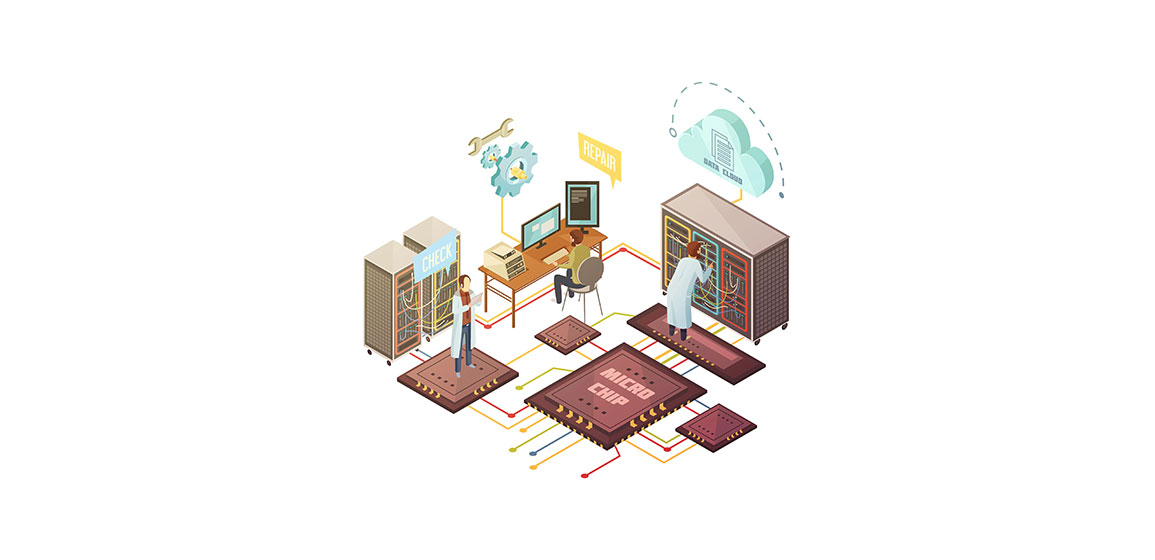
2. Standalone Embedded Systems:
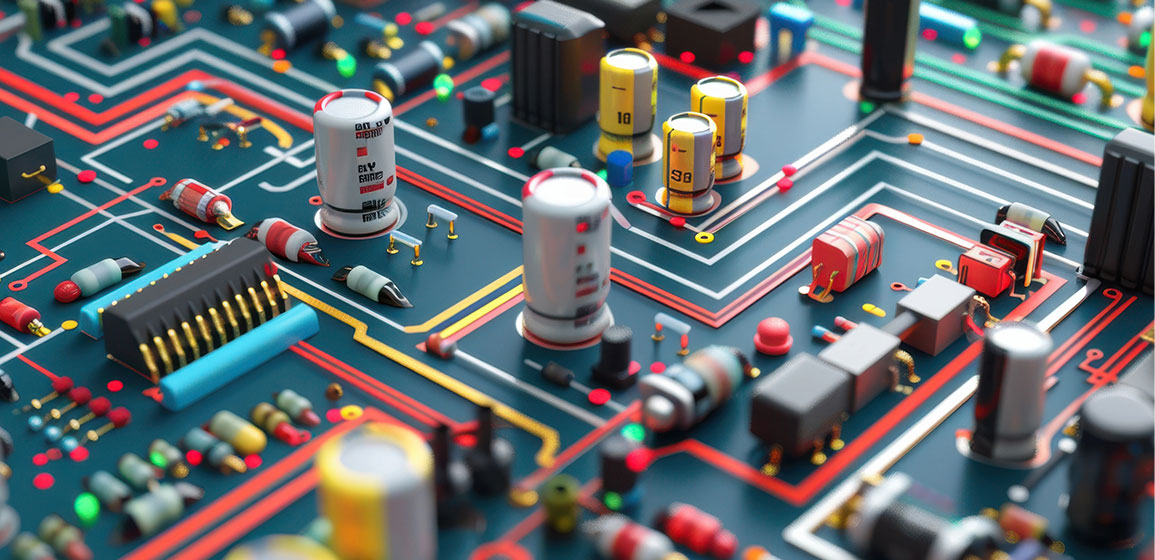
Standalone systems work independently without needing any external control or connection to other devices.
They take inputs, process data, and produce outputs on their own like washing machines, calculators, or microwave ovens.
3. Networked Embedded Systems:
Networked embedded systems are connected to a network (wired or wireless) to exchange data and commands with other systems.
They are widely used in IoT devices, smart homes, industrial automation, and communication equipment.
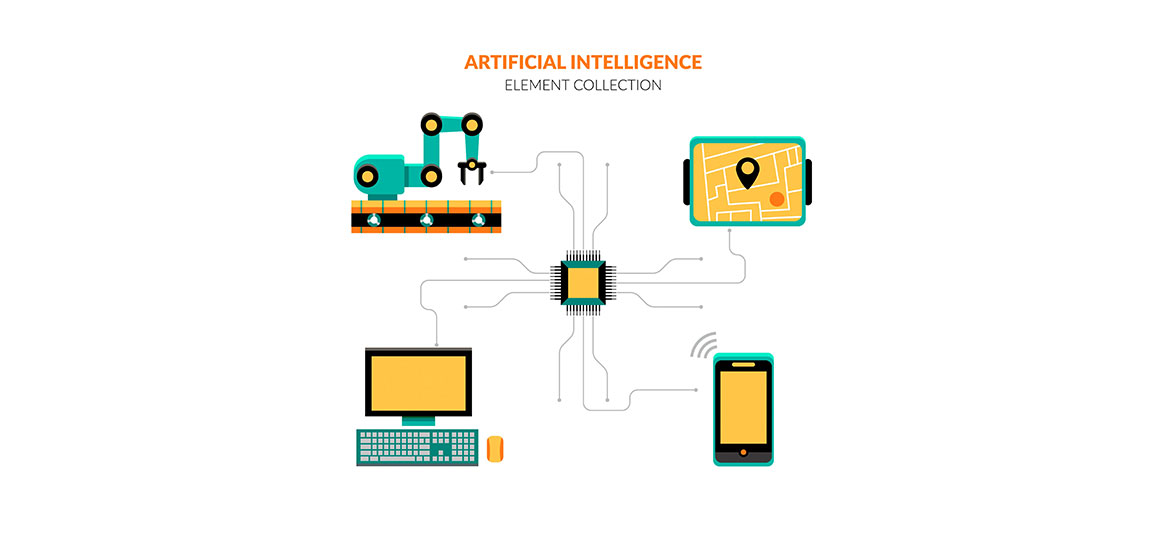
4. Mobile Embedded Systems :
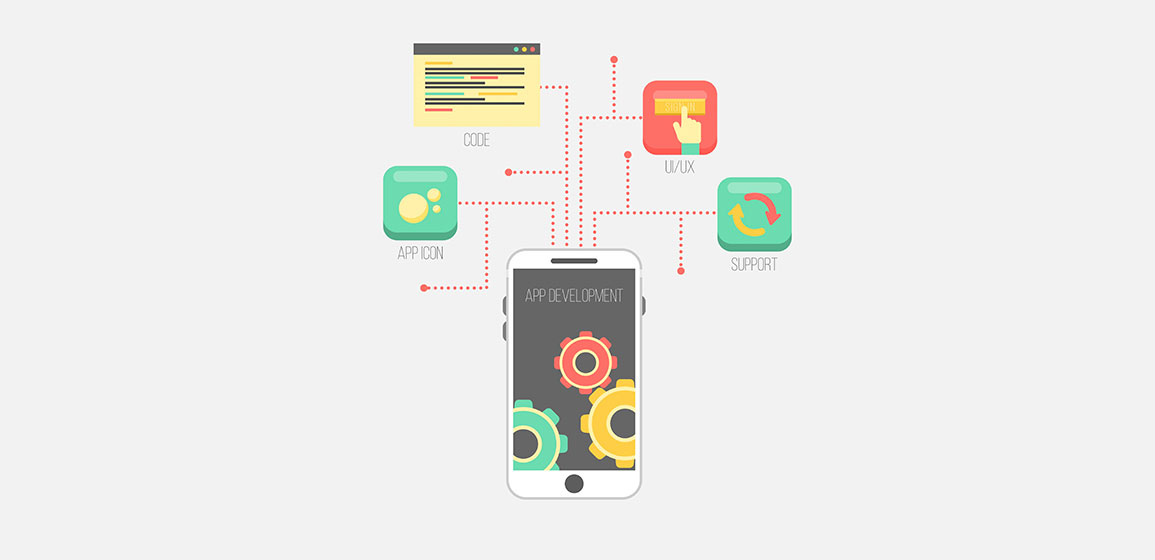
Mobile embedded systems are found in portable and handheld devices that move with the user.
Examples include smartphones, digital cameras, smartwatches, and GPS devices, all of which use embedded controllers for specific tasks.
Why Embedded system is important ?
Control and automation :
They help machines work automatically without human effort for example, in washing machines, cars, or traffic lights.
Speed and accuracy:
Embedded systems perform tasks very quickly and with high precision, which is essential in devices like medical machines or industrial robots..
Reliability:
They are designed to work continuously for years without failure, ensuring consistent performance in critical systems such as airplanes, cars, and hospitals.
Energy efficiency:
Embedded systems consume very little power, making them suitable for battery-powered and portable devices.
Compact and low-cost design :
They make devices smaller, lighter, and cheaper to produce, helping technology reach more people.
Real-time response:
They react immediately to inputs, which is vital for systems like airbags, braking systems, and medical monitors.