


What is CV?
Computer Vision (CV) is a specialized field of Artificial Intelligence that enables machines to interpret and understand visual information such as images, videos, and real-time camera feeds. By replicating human visual perception, CV empowers systems to identify objects, recognize faces, read text, detect motion, and analyze patterns in visual data. This technology drives numerous innovations—from autonomous vehicles and healthcare diagnostics to retail analytics, agriculture monitoring, and smart surveillance systems—making it one of the most powerful domains of modern AI.
Computer Vision focuses on allowing machines to extract meaningful insights from visual inputs and make intelligent decisions based on them. It combines image processing, pattern recognition, machine learning, and deep learning to convert raw pixel data into structured understanding.
Key Components of CV in AI/ML
1. Image Processing and Feature Extraction
Basic foundation of CV involving filtering, edge detection, and color correction. Extracts key visual patterns like shapes, corners, and textures. Enables systems to identify and differentiate objects in complex scenes.

2. Object Detection and Recognition
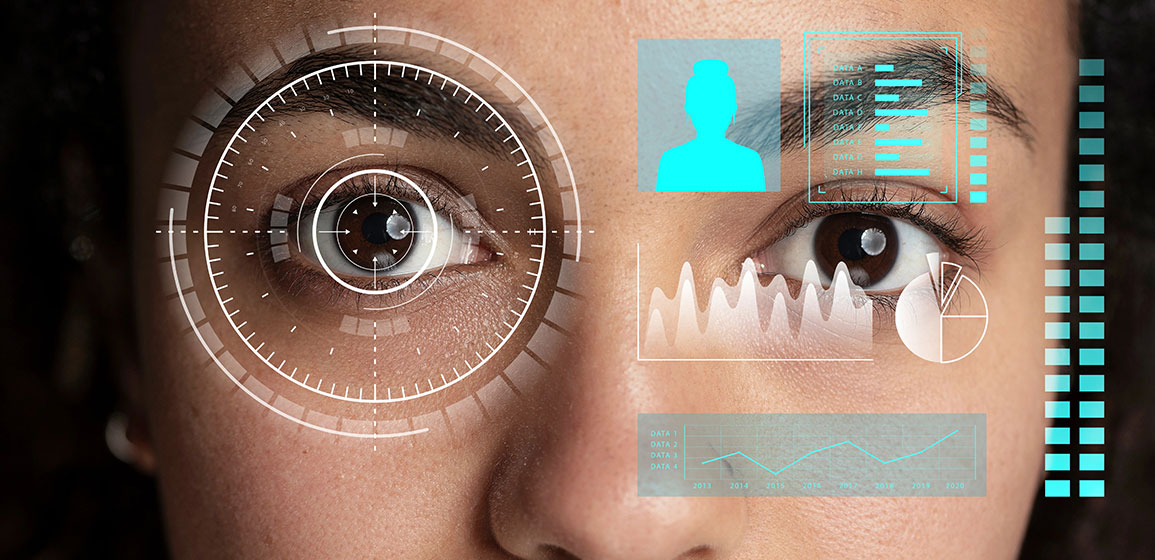
Detects and locates multiple objects within an image or video frame. Uses bounding boxes and classification algorithms to identify each object. Essential for applications such as security monitoring, product detection, and autonomous vehicles.
3. Image Segmentation
Divides an image into distinct, meaningful regions for analysis. Semantic segmentation: Labels each pixel by category (e.g., road, car, sky). Instance segmentation: Differentiates between multiple objects of the same type. Widely used in medical imaging and autonomous navigation.
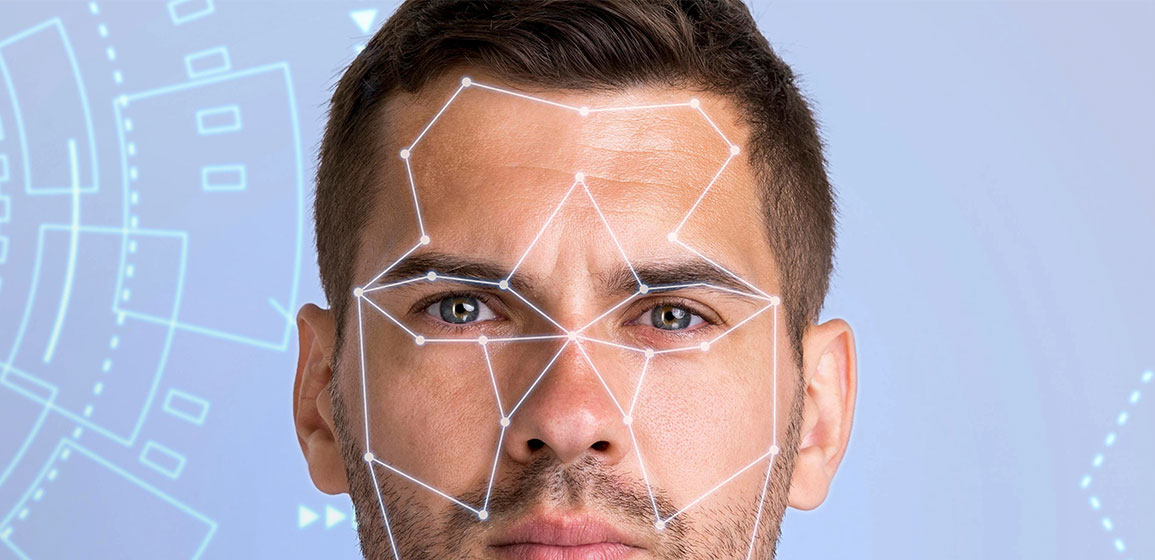
4. Facial Recognition and Analysis

Detects and identifies human faces using biometric features. Used in authentication systems, surveillance, emotion analysis, and marketing research. Enables user verification and behavior analysis in secure and commercial environments.
5. 3D Vision and Depth Estimation
Creates 3D understanding from 2D images using depth sensors or stereo vision. Enables accurate spatial awareness for robotics, AR/VR, and industrial automation. Essential for realistic object placement and navigation systems.

Importance and Usefulness
Healthcare Transformation:
Detects diseases using medical images like X-rays, MRIs, and CT scans. Enables early diagnosis, automated analysis, and AI-assisted surgeries. Improves accuracy and reduces diagnostic costs.
Autonomous Systems and Industrial Safety:
Enables vehicles and robots to perceive and respond to surroundings. Detects obstacles, reads traffic signs, and ensures operational safety. Enhances manufacturing quality control and predictive maintenance.
Accessibility and Assistive Technology:
Supports visually impaired users by describing environments and reading text aloud. Powers accessibility tools in mobile and wearable devices. Promotes inclusive technology experiences.
Business Intelligence and Retail:
Automates shelf management, stock analysis, and customer behavior tracking. Provides visual data for marketing insights and operational optimization. Enhances customer experience through intelligent in-store analytics.