

What is Control System in Robotics ?
A Control System in Robotics is the brain and backbone that manages how a robot behaves, moves, and interacts with its environment.
It is responsible for controlling the robot’s actions, ensuring accuracy, stability, and coordination between different components like sensors, actuators, and motors.
In simple terms, a control system receives input signals (from sensors), processes them using algorithms or logic, and then sends output commands to perform specific actions.
Types of Control Systems in Robotics
1. Open-Loop Control System:
In an open-loop system, the output is not compared to the input — there is no feedback.
The controller sends signals to actuators directly without checking if the desired result is achieved.
It’s simple and inexpensive but less accurate, often used in basic robots or simple tasks like motor control.
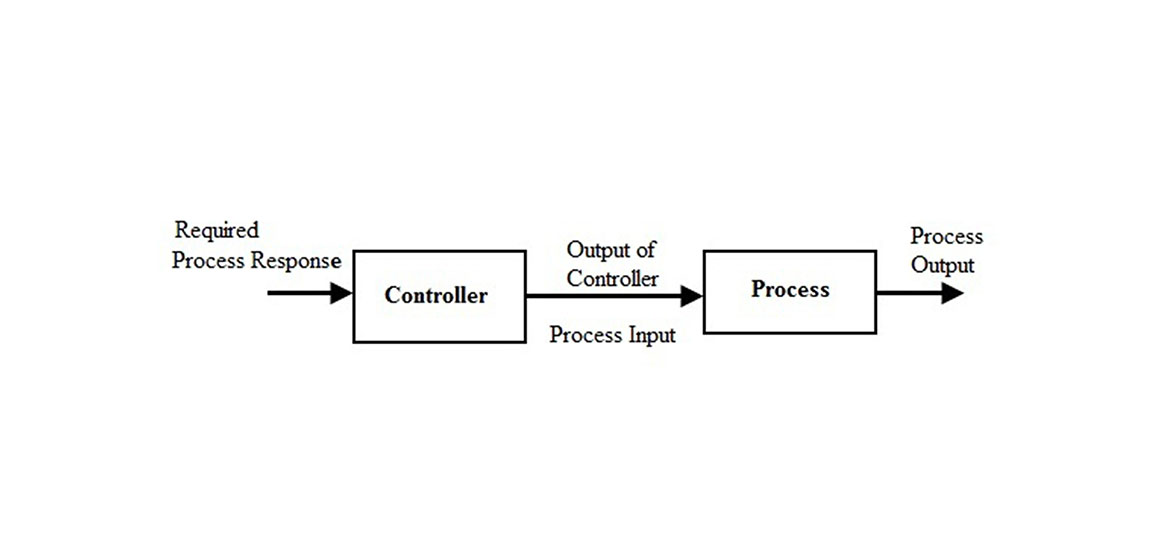
2.Closed-Loop Control System:
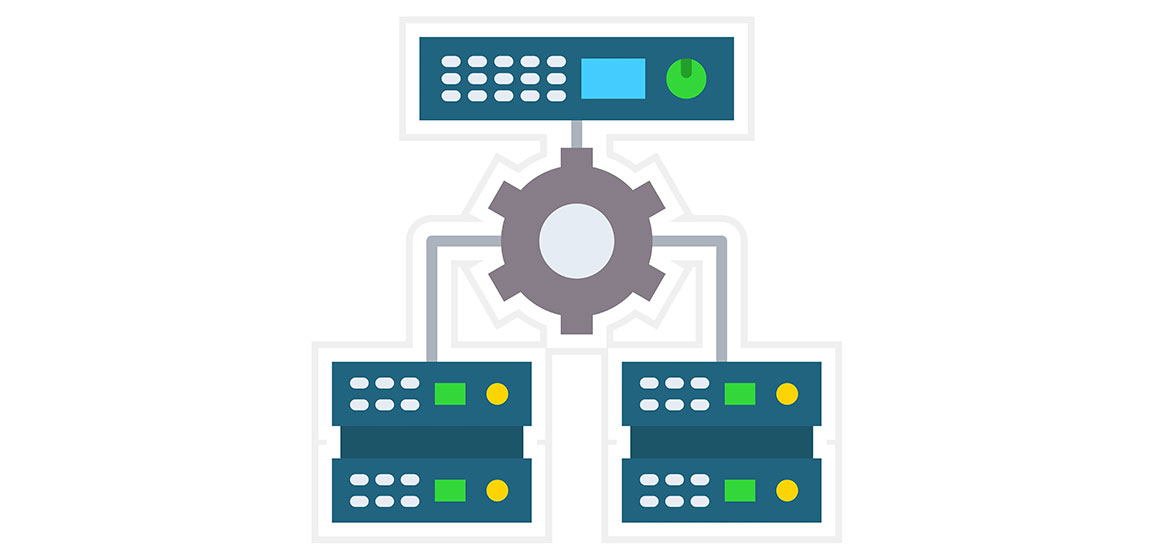
In a closed-loop system, the output is constantly monitored and compared to the desired input.
Feedback from sensors helps the controller correct errors automatically.
It offers higher accuracy, stability, and adaptability, commonly used in industrial and autonomous robots.
3. Linear Control System:
Assumes the relationship between input and output is linear and predictable.
Works best for systems with small variations and simple motion control.
Often used in automated conveyor belts and robotic arms.
4.Nonlinear Control System:

Used when the system behavior is complex and unpredictable, as in drones or humanoid robots.
It handles dynamic and uncertain environments, providing flexibility and adaptability.
Nonlinear control systems are the foundation for AI-driven and adaptive robotics
Why Control Systems is important in robotics?
Precision and Accuracy :
- A control system ensures every robotic movement whether it’s picking an object or welding happens with exact speed, distance, and angle.
- By continuously comparing actual performance with the desired output, it corrects even tiny errors in real time.
Stability and Balance:
- Robots often work in dynamic or unpredictable environments, and a control system helps them stay stable.
- Through constant feedback from sensors, it maintains balance even when external forces or vibrations occur.
Automation and Efficiency:
- The control system acts as the automation brain, allowing robots to operate without human guidance.
- It manages timing, sequencing, and motion flow, ensuring tasks are completed faster and more consistently.
Feedback and Self-Correction:
- A key reason control systems are vital is their ability to learn and adapt in real-time through feedback.
- When the robot detects any deviation from its target, it immediately adjusts its actions to correct it.
Safety and Reliability :
- Control systems constantly monitor parameters like speed, torque, and position to prevent unsafe actions.
- They enable emergency stops, limit enforcement, and collision avoidance protecting both humans and the robot.
Adaptability and Learning :
- Modern control systems are designed to adapt to new environments and tasks.
- Through AI-based or adaptive control algorithms, robots can adjust their movements when facing new challenges.