


Introduction to Circuit
When the path of the circuit is complete and closed, electric current flows easily and the circuit is said to be a closed circuit. However, when the path is broken or disconnected, the flow of current stops, and it becomes an open circuit.
Circuits can be designed in different ways, such as series circuits (where components are connected end-to-end) or parallel circuits (where components are connected across common points). Each type of circuit has its own applications and advantages.
In modern technology, circuits are not limited to simple wires and bulbs but are made of tiny electronic components like resistors, capacitors, transistors, and integrated chips, which control and process signals in advanced devices.
Types of Circuit
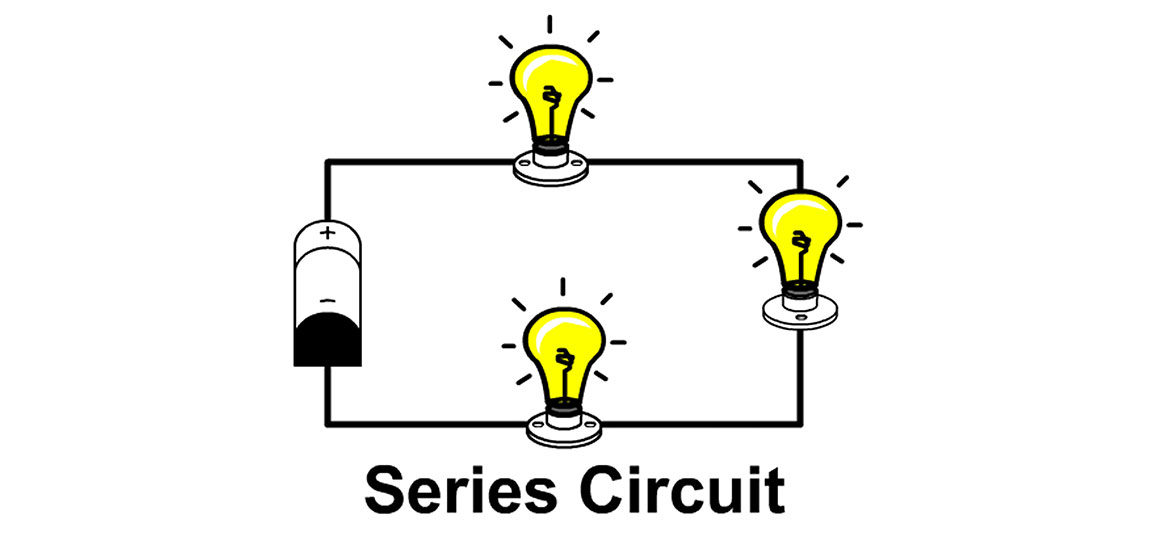
1. Series Circuit:
A series circuit connects components end to end, so the same current flows through all of them. It’s simple to design but if one component fails, the entire circuit stops working. Example: old string lights.
2. Parallel Circuit:
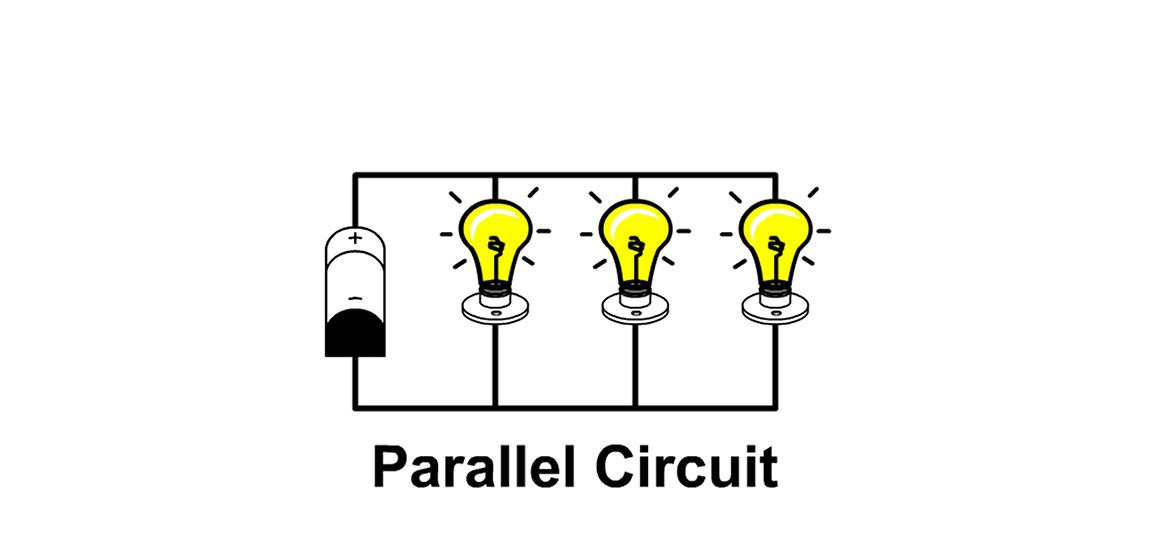
In this type, components are connected in multiple paths. Each path works independently, so if one fails, others keep working. Example: household wiring systems.
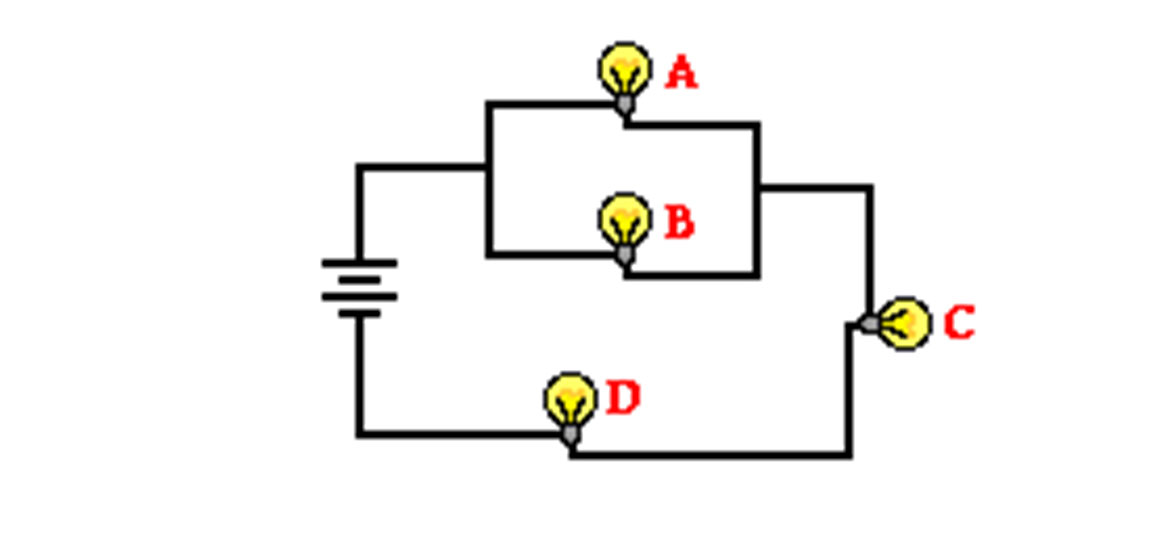
3. Combination Circuit:
This circuit combines both series and parallel connections. It is used when some components need the same current and others need the same voltage. Example: circuits in electronic gadgets.
4. DC Circuit (Direct Current) :
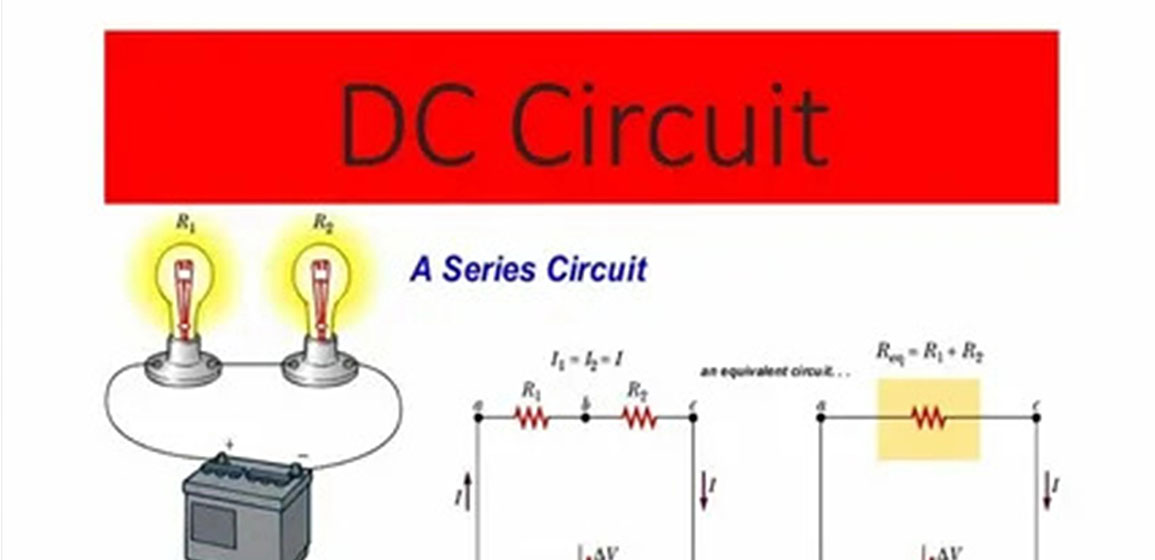
A DC circuit carries current in only one direction, supplied by batteries or DC power sources. It’s used in mobile phones, laptops, and electric vehicles.
Why Circuit is Important ?
Flow of Electric Current :
A circuit provides a continuous and closed path for electric current to flow from the power source to different components and back. It ensures that electrical energy can travel where needed. Without a circuit, electricity cannot flow, and no electrical device can work.
Conversion of Energy:
Circuits help in transforming electrical energy into other forms of energy. For example, light bulbs convert it into light, heaters into heat, and motors into motion. This conversion allows electricity to serve multiple useful purposes in daily life.
Control and Safety:
Circuits are designed to control the flow of electricity and keep it safe for use. Components like switches, fuses, and circuit breakers help start, stop, or regulate current. This prevents accidents like short circuits, electric shocks, and damage to appliances.
Foundation of Technology:
All modern technologies rely on circuits for operation. Devices such as computers, mobile phones, televisions, and vehicles work through electrical and electronic circuits. They form the core of automation, communication, and digital systems in today’s world.
Use in Daily Life :
Circuits are used everywhere around us. In homes, they power lights, fans, and refrigerators; in schools and offices, they run computers and projectors; and in industries, they control machines and robots. Circuits make life more convenient and efficient.
Safe Use of Electricity :
A well-designed circuit ensures safe distribution of electricity without overloading or waste. It helps prevent energy loss, overheating, and fires. Proper electrical circuits make it possible to use electricity reliably and safely in homes and workplaces.