

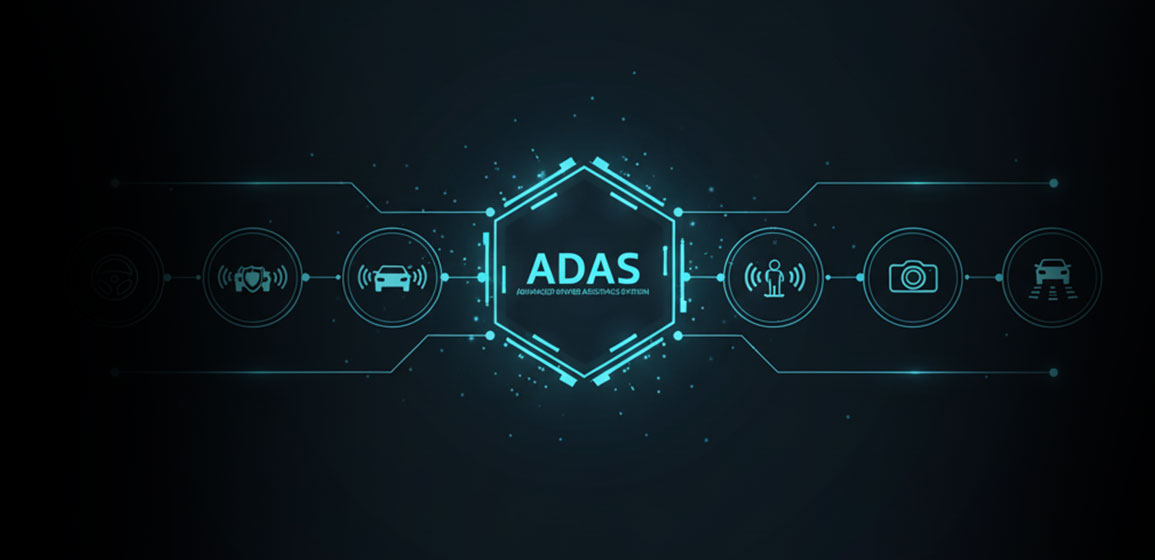
What is ADAS?
ADAS (Advanced Driver Assistance System) can be defined as a collection of electronic systems and intelligent algorithms integrated into vehicles to assist the driver in making safer and more informed decisions. The system monitors the environment around the vehicle, processes real-time data, and provides warnings, control assistance, or autonomous intervention depending on the situation.
The primary goal of ADAS is accident prevention and safety enhancement. Unlike traditional safety systems such as seat belts or airbags, which react after an incident, ADAS is proactive, detecting potential hazards before they occur and either alerting the driver or taking preventive measures automatically.
ADAS covers a broad range of features, including collision avoidance, lane departure warning, adaptive cruise control, parking assistance, pedestrian detection, traffic sign recognition, and emergency braking systems. By integrating sensor fusion, machine learning, and control algorithms, ADAS enables vehicles to respond intelligently to complex and dynamic driving environments.
Where ADAS Is Used
ADAS is used in various industries and applications to automate repetitive and rule-based tasks. Below are the most common applications and examples:
1. Passenger Vehicles:
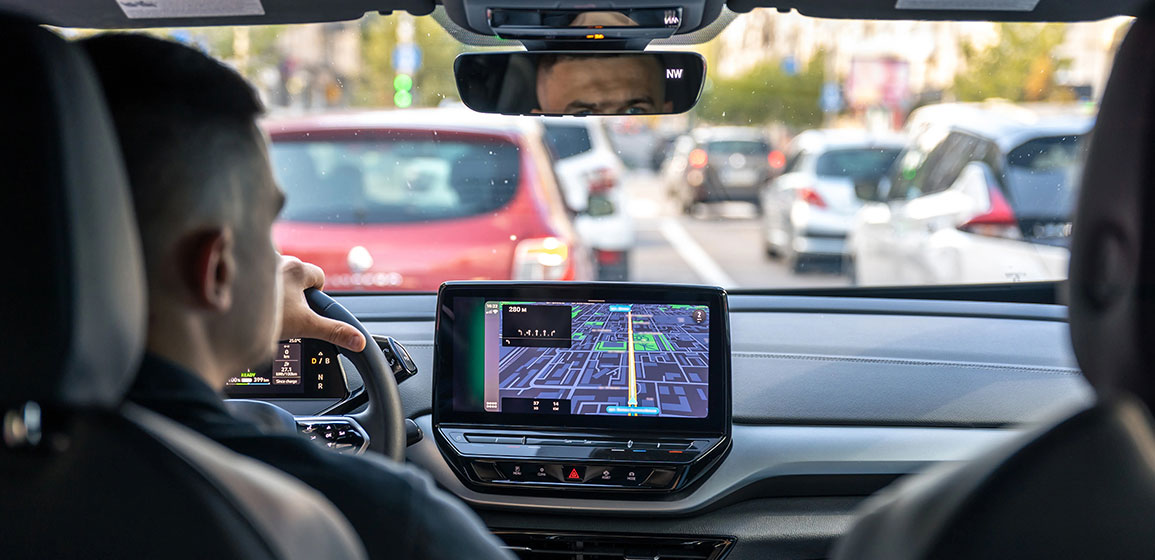
Most modern cars include ADAS features like lane departure warning, adaptive cruise control, automatic emergency braking, and parking assistance.
2. Commercial Vehicles:

Trucks and buses use ADAS for collision mitigation, blind-spot monitoring, fatigue detection, and stability control to reduce accidents and improve fleet safety.
3. Public Transportation & Ride-Sharing:
Buses, taxis, and ride-sharing vehicles integrate ADAS to enhance passenger safety and optimize route management.
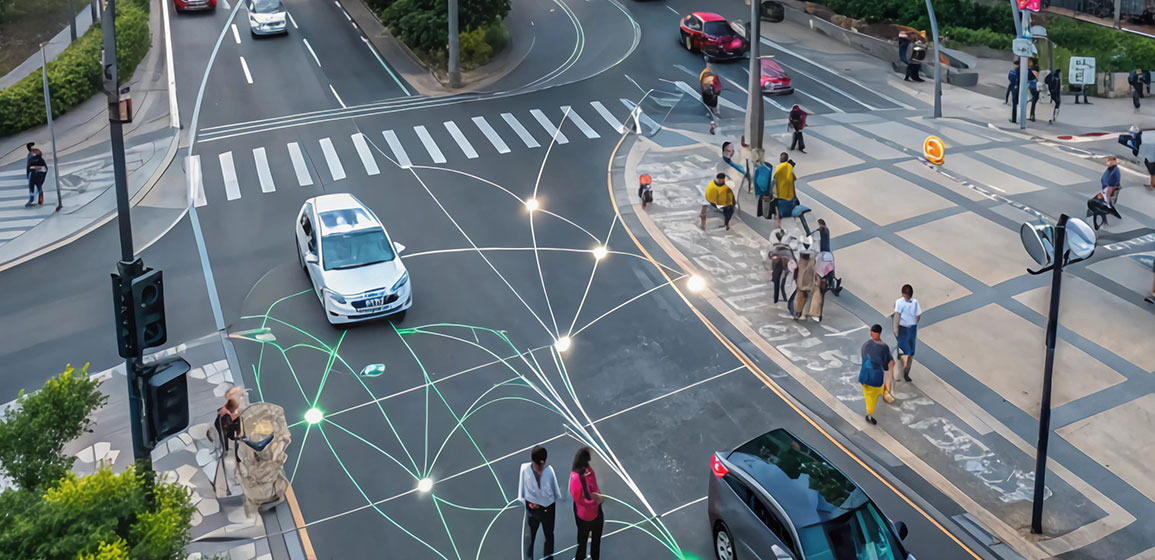
4. Autonomous Vehicle Prototypes:
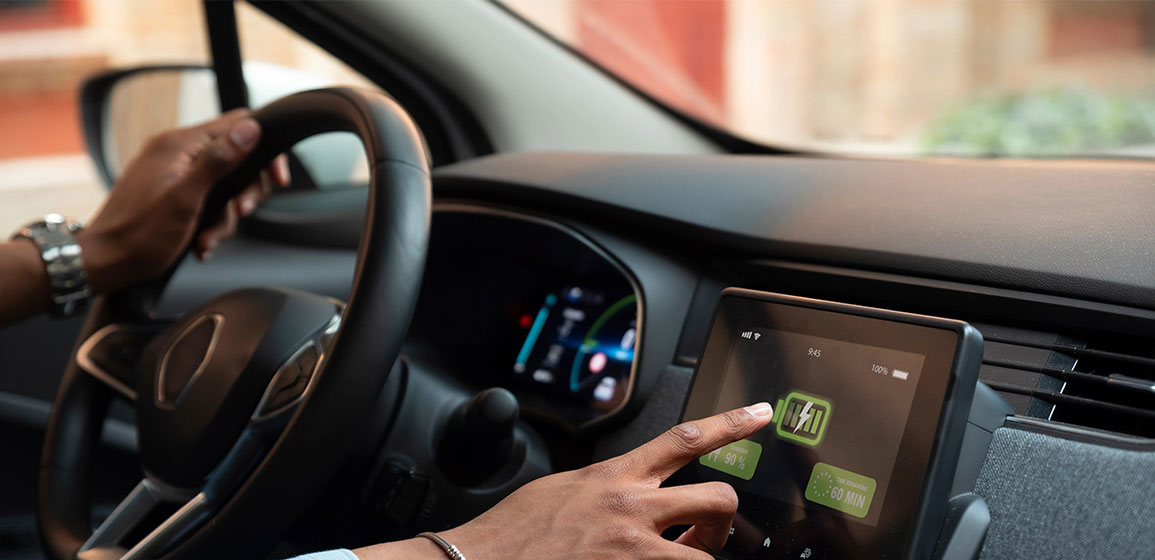
ADAS forms the foundation of Level 2-4 semi autonomous vehicles, providing critical environmental awareness and control assistance.
Components of ADAS
ADAS is built on several integrated components that together enable automation, intelligence, and continuous learning:
Sensors:
Cameras: Detects lanes, traffic signs, vehicles, and pedestrians. Radar: Measures the distance and speed of nearby objects, essential for adaptive cruise control and collision avoidance. LiDAR: Provides precise 3D mapping of the environment, critical for autonomous navigation. Ultrasonic Sensors: Detect close range obstacles for parking assistance and low-speed maneuvers.
Electronic Control Units (ECUs):
ECUs are the “brains” of ADAS, processing sensor data, running algorithms, and sending commands to actuators for real-time vehicle control.
Actuators:
Mechanisms that control steering, braking, acceleration, or haptic feedback in the steering wheel or pedals, enabling partial or full intervention when necessary.
Human-Machine Interface (HMI):
Provides driver alerts through visual displays, dashboard indicators, sound alerts, or vibrations, ensuring the driver is informed and can respond appropriately.
Software & Algorithms:
Include machine learning models, sensor fusion algorithms, image processing, and decision-making logic that enable real-time hazard detection and intervention.
Connectivity Modules:
Some ADAS systems connect to GPS, cloud platforms, or vehicle-to-vehicle (V2V) networks for additional data like traffic updates, road hazards, or cooperative driving insights.
ADAS Programming
Typical ADAS Development Tools and Technologies
MATLAB / Simulink
Used for model-based design, simulation, and algorithm development for perception, control, and sensor fusion.
C / C++
Core programming languages used in embedded software development for real-time systems in vehicles.
Python
Used for AI model training, sensor data analysis, and simulation environments.
AUTOSAR (Classic / Adaptive)
A standardized automotive software architecture framework for developing modular and safe ADAS components.
ROS / ROS2 (Robot Operating System)
Used for sensor integration, path planning, and autonomous driving simulations.
OpenCV
Computer vision library used for object detection, lane tracking, and image processing.
CarSim / PreScan / dSPACE / CANalyzer
Simulation and testing tools for vehicle dynamics, sensor modeling, and real-time data validation.